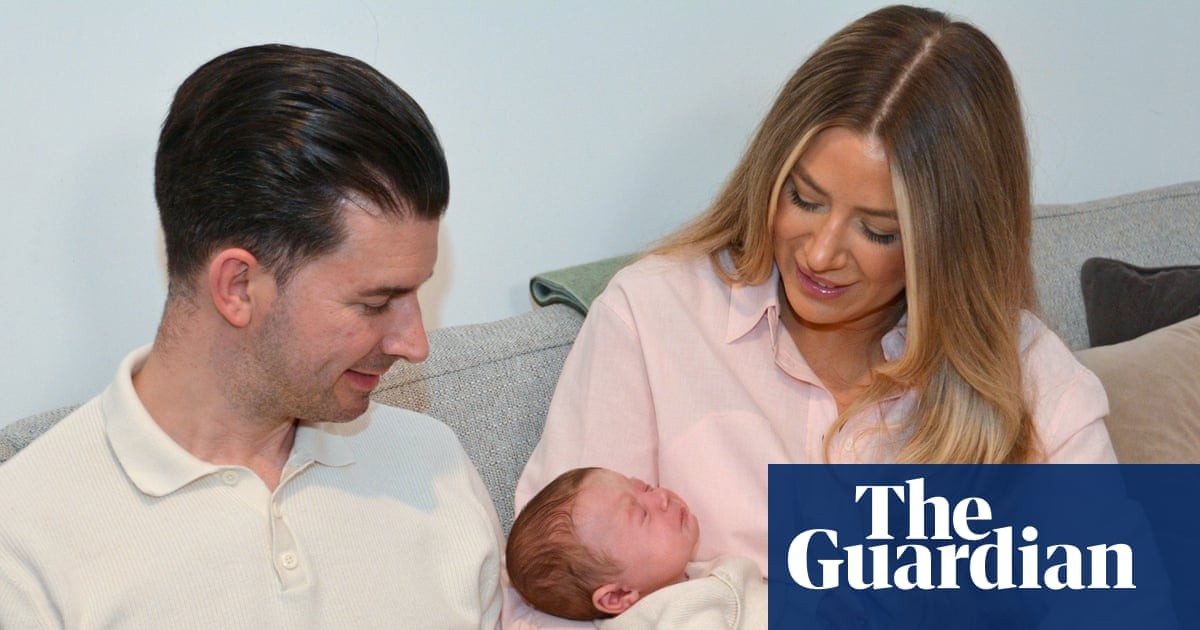
Chlapec jménem Hugo Powell se stal prvním dítětem narozeným ve Spojeném království po transplantaci dělohy od zemřelého dárce. This landmark achievement, which took place at Queen Charlotte’s and Chelsea Hospital in London, represents a significant advance in reproductive medicine, offering hope to women with infertility due to factors related to the womb.
Vzácné onemocnění a historická transplantace
Hugo’s mother, Grace Bell, was diagnosed with Mayer-Rokitansky-Küster-Hauser (MRKH) syndrome, a rare congenital condition that results in an absent or underdeveloped uterus. Tato diagnóza znamenala, že s největší pravděpodobností nebude schopna mít dítě. The successful transplant, carried out in 2024, used a uterus from a deceased donor, making it the first such birth in the UK and one of only a few worldwide.
Bell popsala porod jako „zázrak“, přičemž zdůraznila hluboký emocionální dopad uskutečnění jejího snu o mateřství. Procedura zahrnovala standardní imunosupresivní léčbu k prevenci odmítnutí orgánu, což je společný požadavek všech příjemců transplantátu.
Dědictví dárců a etické ohledy
Orgán dárce také zachránil životy čtyřem dalším lidem prostřednictvím dalších transplantací orgánů. Rodina dárce vyjádřila smutek i hrdost a poznamenala, že štědrost jejich dcery nadále ovlivňuje životy i po její smrti.
“The loss of our daughter has shattered our world… Through organ donation, she has given other families the precious gift of time, hope, healing and now life.”
Tento případ vyvolává důležité etické otázky týkající se dárcovství orgánů zesnulým. Na rozdíl od jiných orgánů není děloha ne automaticky zahrnuta do standardních formulářů souhlasu s darováním orgánů. Families must be asked specifically about their willingness to approve uterine transplantation, highlighting the complex decision-making process.
Budoucí vyhlídky a lékařské pokroky
Profesor Richard Smith, klinický ředitel Womb Transplant UK, popsal porod jako „úžasný“. Tým očekává, že Bell nakonec nechá odstranit transplantovanou dělohu, aby se vyhnul celoživotní imunosupresi.
The general trend shows that while the majority of uterine transplants (more than two-thirds) involve living donors, deceased donation is on the rise, with approximately 25–30 children born worldwide using this method. The development of uterine transplantation as a viable option offers a permanent solution to the problem of infertility due to uterine-related factors, influencing both medical practice and family planning.
Tento průlom demonstruje transformační potenciál dárcovství orgánů a reprodukční medicíny. It’s a powerful reminder that medical innovation continues to redefine the boundaries of what’s possible for people facing previously insurmountable reproductive challenges.